
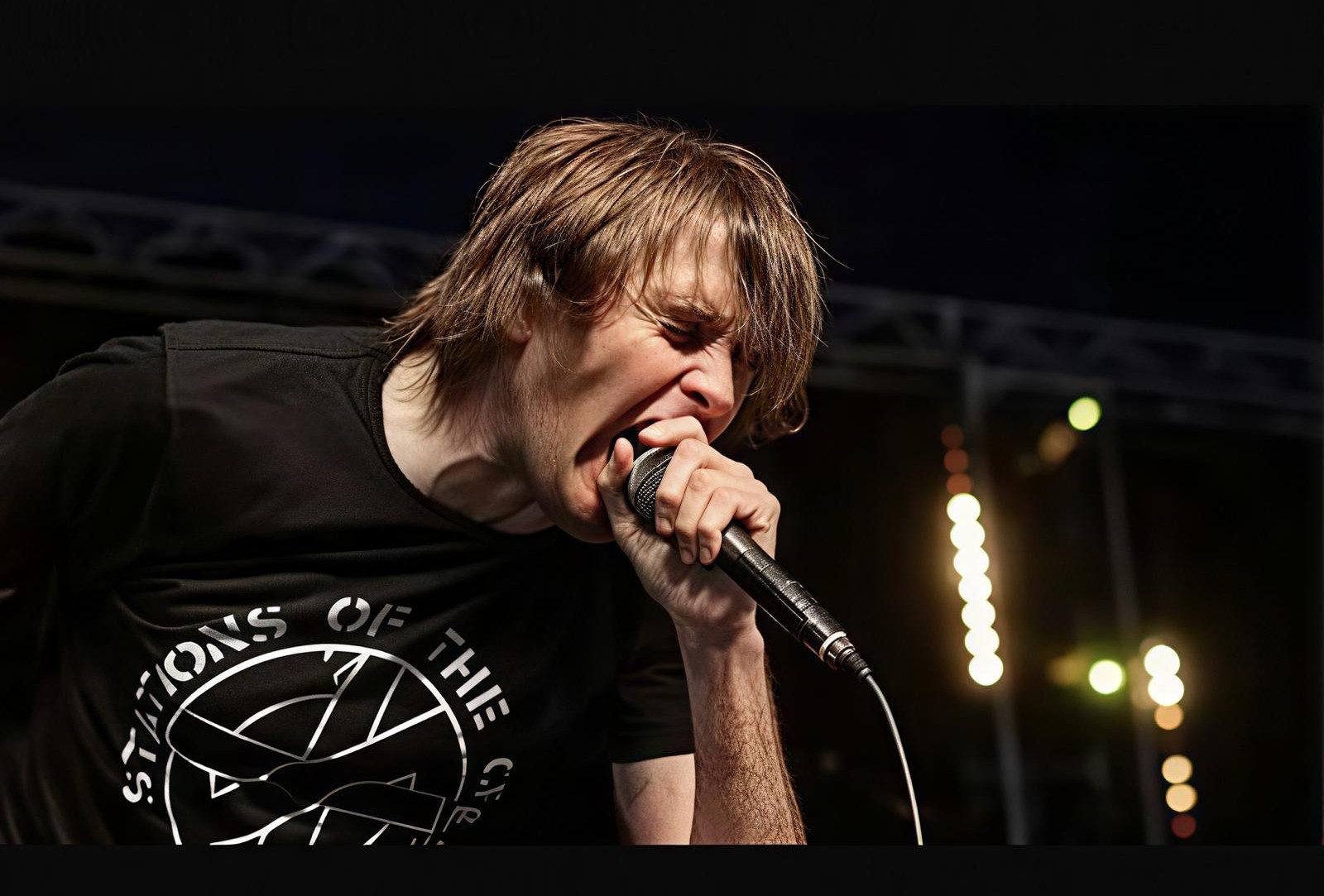
From animal rights and environmental collapse to inequality, integrity, and the true meaning of resistance, Napalm Death vocalist Barney Greenway reflects on the values that continue to shape both his music and his worldview.
For more than four decades, Napalm Death has challenged musical conventions as fiercely as it has confronted social and political complacency. Yet speaking with Barney Greenway, it quickly becomes clear that labels such as grindcore, extreme metal or even rebellion are only part of the story. Throughout our conversation, he repeatedly returns to a far simpler idea: basic humanity.
From animal rights and environmental justice to inequality, climate change and artistic integrity, Greenway approaches every subject through the same ethical lens. Rather than offering slogans or easy answers, he argues that meaningful change begins with empathy, dignity and our willingness to recognise the value of every sentient being.
In this conversation with Metal Oda, Barney Greenway reflects on the responsibilities of artists, the legacy of Birmingham, the relationship between punk and metal, and why integrity still matters more than commercial success.
Metal music and punk have long been associated with rebellion, resistance, and challenging the status quo. Yet today, rebellion itself often seems to have become a marketable commodity, domesticated, even sanitized. Do you think metal and punk still have the power to challenge society and ask uncomfortable questions? What does rebellion mean to you in 2026?
For me, “rebellion” is a very broad term. I prefer to think of it in terms of how we choose to live our lives. My guiding principle is simple: to treat other people as I would expect to be treated myself. That principle also extends to other sentient beings—animals—who have no choice and are subjected to terrible suffering every single day. Because they have no voice, their suffering is often overlooked or considered unimportant.
“Personally, I will always resist anything that I feel is detrimental to the liberty and freedom of other beings.” Barney Greenway
Personally, I will always resist anything that I feel is detrimental to the liberty and freedom of other beings.This is my general point.
I understand what you mean about rebellion becoming a marketable commodity. But sometimes, if you want to raise awareness and reach people, you inevitably have to enter that space. It’s not ideal, and it’s certainly not perfect, but occasionally it’s the only way to get people’s attention.
As for Napalm Death, I believe what we do remains raw and true to the spirit of resistance. Resistance can take many different forms, and I’m reluctant to judge which form is more relevant or effective than another. Once you start ranking people’s resistance, you risk discouraging them from standing up against what they believe is wrong.
“The roots of Napalm Death are actually in punk rather than heavy metal.” Barney Greenway
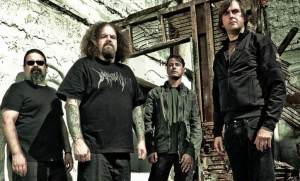
The West Midlands and Birmingham are not only the birthplace of metal music, but also regions shaped by working-class culture, industrial history, social change and diversity. I conducted extensive research on the roots of metal music in Birmingham and found out that the city is characterized by many different genres of music, including reggae. How do you see Napalm Death’s place within the broader legacy of musical diversity that emerged from Birmingham?
I must say the roots of Napalm Death are actually in punk rather than heavy metal. In our early days, we even appeared on a Crass Records compilation (the independent label founded by the pioneering British anarcho-punk band Crass), so our origins are closely tied to the anarchist punk movement.
That said, Napalm Death gradually absorbed a lot of a lot more metal influences. You can already hear that on our first album. So, if people want to place us somewhere in the history of heavy metal, we definitely have a place in the metal encyclopedia.
Personally, though, I never think about where Napalm Death fits within Birmingham’s musical legacy or the history of metal. My sole concern is making the next Napalm Death album the best it can be and making every live show as ferocious and uncompromising as possible. That’s what matters to me.
I love Birmingham. It’s my hometown, my family is from there, and it will always have a special place in my heart. But I honestly don’t spend time thinking about where we fit within Birmingham’s musical legacy.
Ultimately, labels are less important than people. Whether you’re in a punk band, a metal band, a pop band, or simply someone walking down the street, we all have the capacity either to resist injustice or to remain silent. That’s the principle that matters most to me.
“Real change requires a fundamental shift in how people perceive animals and recognise their sentience.” Barney Greenway
You have been an outspoken advocate for animal rights for many years. Since Descartes, much of the modern world has often turned a blind eye to animal sentience, reducing animals to resources or commodities while overlooking their capacity to feel, suffer, and experience the world.
Do you think artists who take a public stance on animal rights can genuinely raise awareness and inspire change? Have you personally witnessed a tangible impact from speaking out on these issues? And today, as social media increasingly exposes the realities of industrial farming and slaughterhouses, do you believe society is taking meaningful steps forward on animal rights, or is progress still falling short of what is needed?
If we’re talking about changing attitudes towards animals, I don’t think artists have the power to transform society on their own. At best, we can make a small contribution. Real change requires a fundamental shift in how people perceive animals and recognise their sentience.
As artists, all we can really do is promote these ideas, speak about them, and support them through our actions. We have the privilege of reaching people, and we should use that responsibly. Can we create the level of change I’d like to see? Honestly, no. But that doesn’t mean we stop trying. You don’t give up simply because the road is difficult—you keep going.

Social media has certainly made animal suffering more visible, and anything that raises awareness is valuable. Although I have many reservations about social media companies—and I’m not on social media myself—I also recognise its positive side. It allows people to witness realities they might otherwise never see.
For example, I’m aware of the suffering endured by horses, donkeys, and other working animals in Türkiye. It’s deeply upsetting. At the same time, I also know there are dedicated animal welfare and animal rights organisations in Turkey doing remarkable work. They deserve just as much recognition as the problems deserve attention.
“I am not a communist. I’m a human being and I care about other human beings.” Barney Greenway
What do you think are the main problems of our world, our society? Is it access to education, to resources? Environmental issues?
It’s impossible to reduce the world’s problems to a single issue. But as a starting point, I’d say the greatest challenge is inequality.
We in the West generally enjoy far greater privilege and access to resources than many people elsewhere in the world. We cannot accept exploitative manufacturing practices as in the clothing industry where people are getting paid cents or pennies to make clothes for people in the west that they just throw away and then buy another one next week. If we truly want meaningful change, that’s where we have to begin. We cannot continue to accept systems that exploit people through cheap labour while others consume without thinking about the consequences.
 To use a simple analogy, you have to fix the foundation before you can build the rest of the house. The world is wealthy enough for everyone to live with dignity, yet millions still wake up wondering where their next meal will come from. That simply shouldn’t be the case. We have to make the foundations good enough for everybody, not just a few people.
That same inequality of our world also creates resentment and competition, even among marginalized communities. It is survival. Until we address those structural problems, lasting change will remain out of reach.
And the other problem is of course are those in power. More broadly, authority becomes dangerous when it serves power instead of humanity. Authority generally is a problem. This isn’t about political labels—it’s about basic humanity. I am not a communist. I’m a human being and I care about other human beings. I simply don’t want to see people oppressed or deprived of their dignity, regardless of where they live or what politics they happen to live under.
Without basic humanity, we can’t hope to solve any of the problems we face. — Barney Greenway
We lived through the 1980s, in the midst of the Cold War, nuclear paranoia and countless end-of-the-world movies. Do you think the threat of global catastrophe is greater today than it was in the 1980s?
There are certainly more weapons today than there were in the 1980s. But in truth, once humanity possesses weapons capable of destroying itself, the exact number hardly matters. I believe the world is moving away from the nuclear side of things.
History shows that humanity repeatedly fails to learn from its mistakes. Time and again, people in power have been willing to sacrifice countless lives in pursuit of power and control which we have seen during the World Wars I & II. That’s why I always come back to the same point: basic humanity. Without that foundation, we can’t hope to solve any of the smaller problems.
Environmental destruction is another existential threat. We poison seeds, we often talk about pollution on land, but not nearly enough about the oceans. If the oceans die—if they can no longer sustain life—we die with them. Once the sea dies, the land follows. At that point, it’s game over.
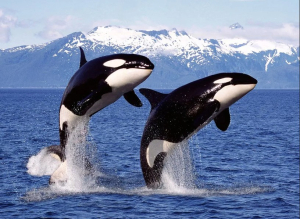 “Once the sea dies, we die.” Barney Greenway
People need to become much more aware of these realities before it’s too late.
The effects of climate change are no longer abstract—they’re affecting people right now. My mother is elderly and has health conditions, and the extreme heat we’re experiencing in the UK is genuinely dangerous for her. The same is true for millions of older people around the world.
We can’t simply dismiss that by saying, “Well, they’re old.” That’s not good enough. I love sunny weather, but what we’re experiencing now isn’t normal. It’s something very different, and we need to recognise that.
Musically speaking, my advice is simple: Be yourselves.” Barney Greenway
In your view, what allows underground and extreme music scenes to survive and remain relevant across generations in an ever-changing world?
People often ask me for advice, but mine is actually very simple: do what you genuinely believe is right for your band. Don’t chase trends or try to become more commercial because you think that’s what people want.
If your music naturally becomes more accessible, that’s fine—but it has to happen honestly. Listen to advice, but don’t let people convince you that you need to turn yourselves into a marketable commodity just to stay relevant.
We heard all those voices in the 1990s. At times, we came close to making some very bad decisions because of that. Fortunately, for most of our career, we’ve followed our own instincts. If someone offered good advice, we listened. If someone tried to tell us how to market ourselves, we simply ignored it.
If we make an album with integrity and it succeeds, that’s great. If we make an album with integrity and it doesn’t succeed, that’s fine too. We’d rather live with that than compromise who we are.
So my advice is simple: be yourselves. Support one another within the scene, help other bands, and stay true to your own vision. If your work is not well received, try again next time. As an artist, you have to satisfy yourself first. If you’re trying to satisfy everyone else before you’re convinced by your own work, you’ve already defeated the whole purpose of making art.
Türkiye has one of the most dedicated rock & metal audiences in the world. Despite economic and social challenges, as well as changing cultural trends, the metal scene continues to grow and evolve. What message would you like to share with your Turkish fans today?
I’m an internationalist, if you like. I don’t really distinguish between people based on the countries they come from.
So I’d simply like to say thank you for your support. We know it’s there because we’ve visited Türkiye before, played a couple of small clubs in Istanbul over the years, and people have always been wonderful to us.
Hopefully, the show we’re about to play will be the very best performance we can give. Thank you, and we’ll see you soon.
As our conversation moved beyond music, one idea kept resurfacing in Barney Greenway’s answers: beyond politics, genres, or ideologies, everything ultimately comes down to one simple principle—basic humanity.
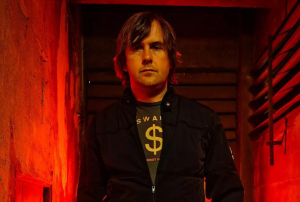
Editor’s Note: Barney Greenway’s answers have been preserved as faithfully as possible. Only minor editorial edits have been made in certain sections to improve clarity, readability, and flow.
Interview by: Güzin Paksoylu
In Flames and Napalm Death will perform in Istanbul on July 26, 2026. The event is organized by StagePass Live.
All rights reserved. Quotations without reference is forbidden.





Leave a Reply
Want to join the discussion?Feel free to contribute!